
Abhishek slaps 10-crore defamation notice on Madan Mitra over 'murderer' jibe
.gif)

Download Mobile App 







Just days after the serene interlude of Durga Puja holidays wrapped up, Kolkata Metro slips back into its all-too-familiar rhythm of unreliability, jolting commuters with an abrupt suspension of services between Dakshineswar and Noapara stations around 11 AM today, forcing truncated runs only from Noapara to Shahid Khudiram and leaving northbound passengers scrambling amid the morning rush. Metro authorities cited "unavoidable reasons" for the temporary halt, with insiders whispering of a likely technical snag—perhaps a signaling glitch or power hiccup—echoing the line's turbulent recent history that saw Kavi Subhash station shuttered in July due to pillar cracks, shrinking the operational stretch and piling on the woes. As trains idled on tracks meant for seamless flow, harried office-goers and students spilled onto overcrowded buses and cabs, their frustration boiling over. This fresh fiasco isn't just a delay; it's a stark reminder of how Kolkata's underground artery, once a pride of urban India, now pulses with unpredictability, testing the city's legendary patience just as post-festival routines kicked in.The disruption hit like a bolt from the blue in a corridor that's no stranger to chaos. Barely had the puja pandal lights dimmed when, at the stroke of peak hour, announcements crackled through speakers at Dakshineswar: services suspended northward, with trains reversing at Noapara to limp south only as far as Shahid Khudiram, the reluctant new frontier after Kavi Subhash's enforced hiatus.
Commuters, many still nursing festival hangovers, found themselves funneled into alternatives—auto-rickshaws surging fares, yellow taxis vanishing into thin air, and local trains bulging at the seams from Barranagar Road to Dum Dum. One office worker, juggling a laptop regrets, described the scene as "Puja's gift that keeps on giving—except it's gridlock wrapped in gift paper." Metro staff, tight-lipped on specifics, promised a quick fix, but as minutes stretched to hours, the ripple widened: school vans delayed, deliveries derailed, and a collective groan echoing through the subterranean halls that usually hum with hurried footsteps.Kolkata's Metro has weathered a storm of setbacks this year alone. July's pillar fractures at Kavi Subhash—traced to construction stresses—slammed the doors on the southern terminus, shortening the Blue Line by a crucial leg and funneling crowds into already strained endpoints. Weeks blurred into a montage of minor mishaps: signaling failures at peak times, door malfunctions trapping riders mid-journey, and even a chilling incident where a passenger's leap halted the line for 35 minutes.
Pre-Puja calm offered a teasing truce—no breakdowns during the festive frenzy when extended night services till 4 AM whisked pandal-hoppers home—but that fragile peace shattered with Monday's return to work. For the everyday straphanger, these interruptions aren't footnotes; they're footnotes in frustration. Picture the young professional from Dakshineswar, eyes glued to her phone for updates that never come, resigning to a sweaty bus ride that doubles her commute time. Or the retiree heading south for a doctor's appointment, now adrift in a sea of honks and heat. In a city where time is the ultimate currency, these halts steal more than minutes—they erode trust in the very veins that pump its pulse.Yet, amid the grumbles, glimmers of grit shine through.
The Green and Orange Lines, unscathed by the Blue's blues, became unsung heroes, shuttling rerouted riders across the sprawl. For now, though, it's back to basics—passengers packing patience like an extra accessory, and officials vowing "lessons learned" that sound all too familiar. As October's calendar mocks with its post-Puja promise of normalcy, this Noapara-Dakshineswar snag underscores a deeper narrative: a system stretched thin by progress's paradox—vital yet vulnerable in a metropolis of millions. Riders, from the backpack-toting collegian to the sari-clad homemaker, deserve more than apologies; they need a Metro that moves without the drama. Perhaps this is the wake-up jolt: invest in the bones before the bells and whistles. Until then, Kolkata's underground odyssey rolls on, a bumpy ride through resilience, where every delay forges fiercer resolve. For the faithful who board anyway, it's not just transit—it's tenacity, hurtling toward a horizon where "all clear" isn't a surprise






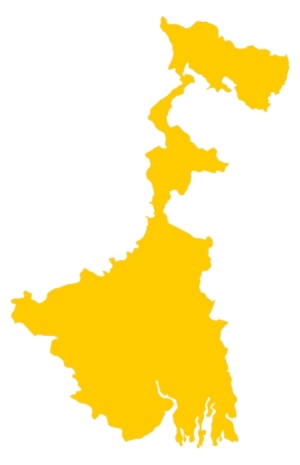 West Bengal
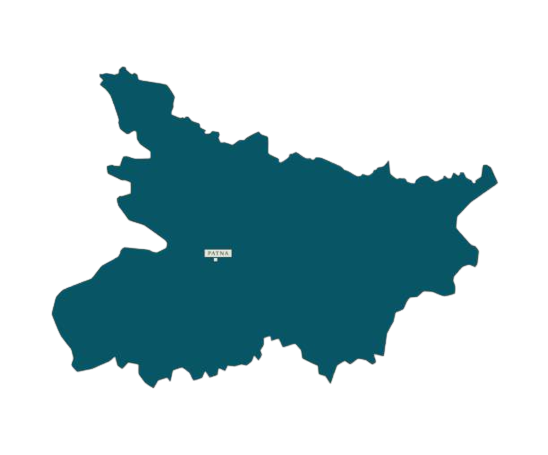 Bihar
Bihar Uttar Pradesh
 Jharkhand